
Destinations
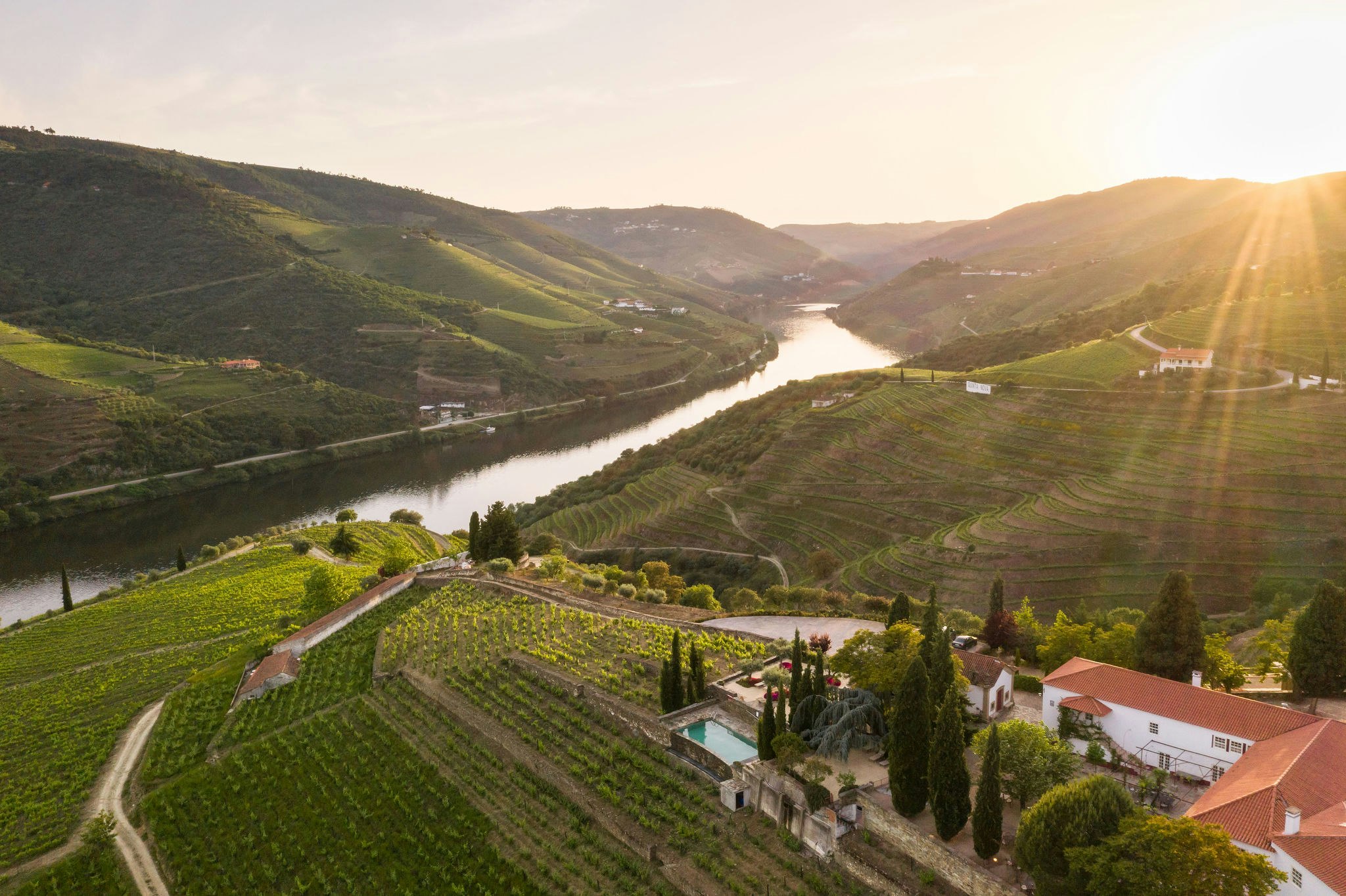
Douro
Home to the world’s oldest demarcated wine region, the Douro Valley is one of Portugal’s most iconic landscapes. The winding Douro River flows between steep, terraced vineyards, historic wine estates and traditional villages, forming a spectacular landscape recognised as a UNESCO World Heritage Site.
Best known as the birthplace of Port wine, the Douro is also celebrated for its exceptional table wines, indigenous grape varieties and centuries-old winemaking traditions. Private vineyard visits, wine tastings and journeys along the river offer an authentic introduction to the history, gastronomy and remarkable scenery of northern Portugal.
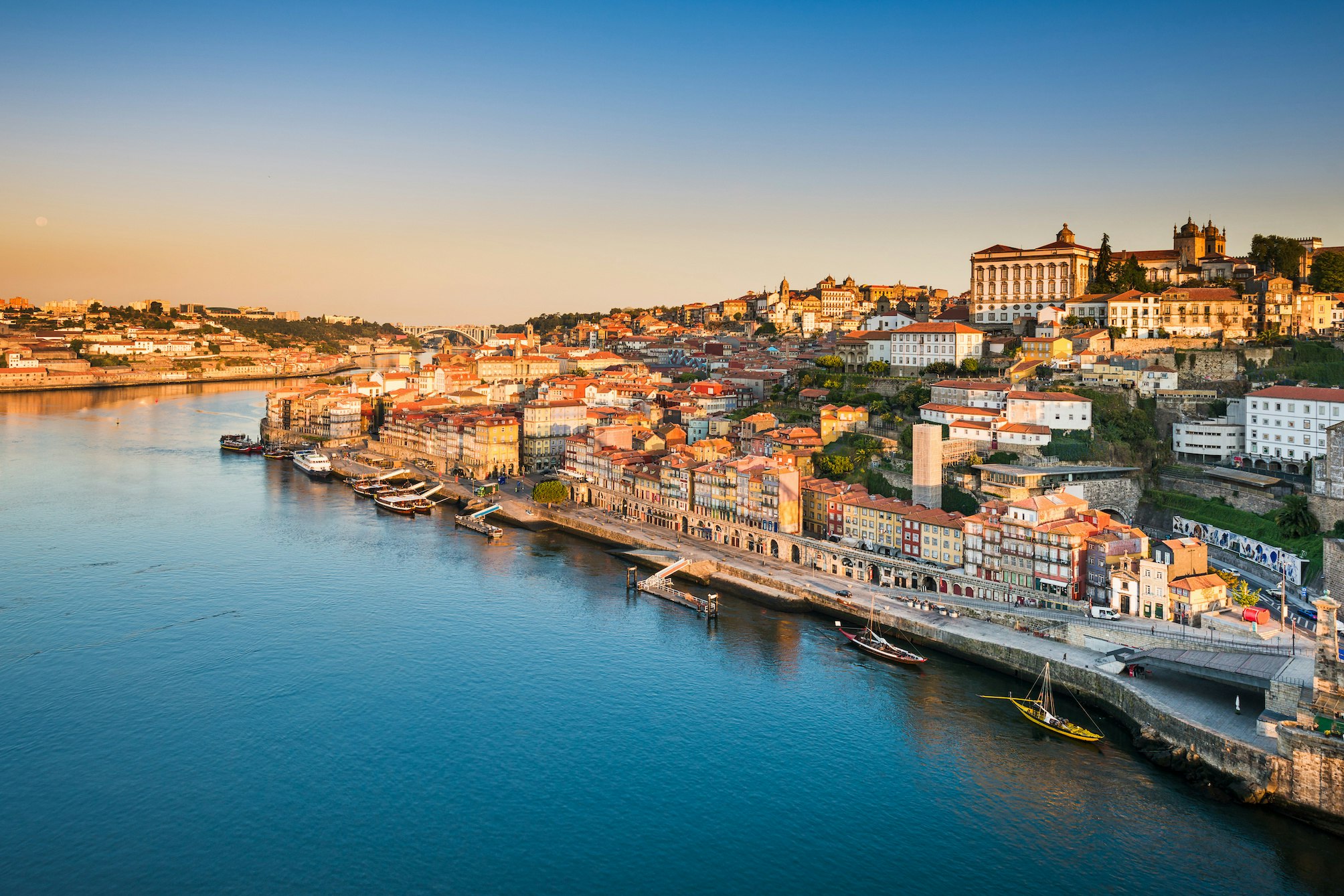
Porto
Set along the Douro River in northern Portugal, Porto is a historic merchant city shaped by centuries of trade, craftsmanship and maritime heritage. Its UNESCO-listed historic centre is filled with colourful riverside buildings, tiled façades, traditional shops and atmospheric neighbourhoods.
Famous worldwide for Port wine, Porto retains a strong connection to its traditional industries and ways of working. Historic markets, artisan workshops and family-run businesses sit alongside a thriving contemporary food and cultural scene, making the city an engaging blend of Portuguese heritage, gastronomy and modern creativity.
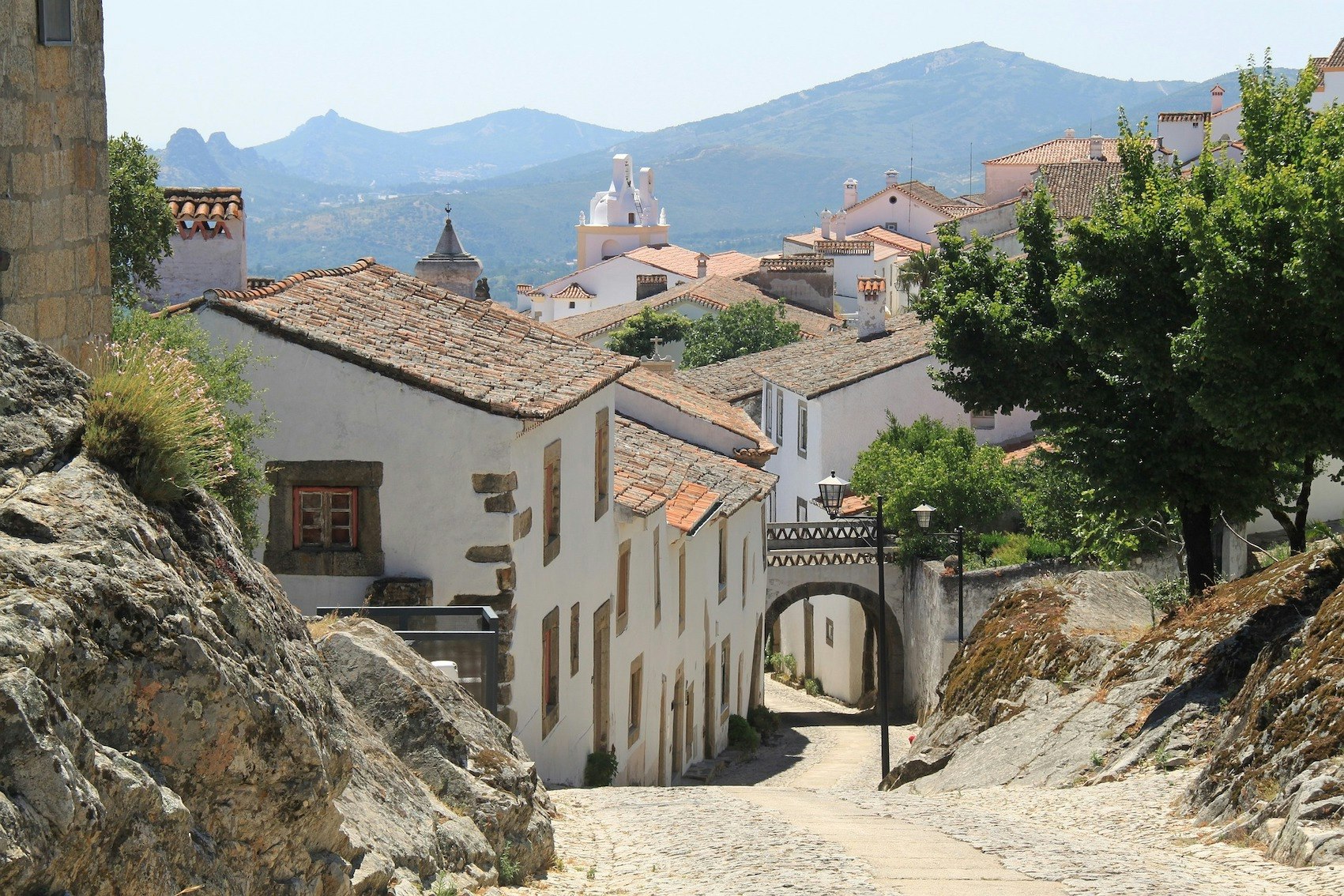
Alentejo
Stretching across the heart of southern Portugal, Alentejo is a vast rural region of rolling plains, vineyards, olive groves and ancient cork oak forests. Known for its exceptional wines and deeply rooted agricultural traditions, it offers a slower, more authentic side of Portugal.
Beyond its beautiful landscapes, Alentejo is rich in history, from prehistoric megalithic monuments to medieval hilltop villages and the UNESCO-listed city of Évora. Peaceful and wonderfully uncrowded, it is a hidden gem for travellers looking to explore Portugal off the beaten path.
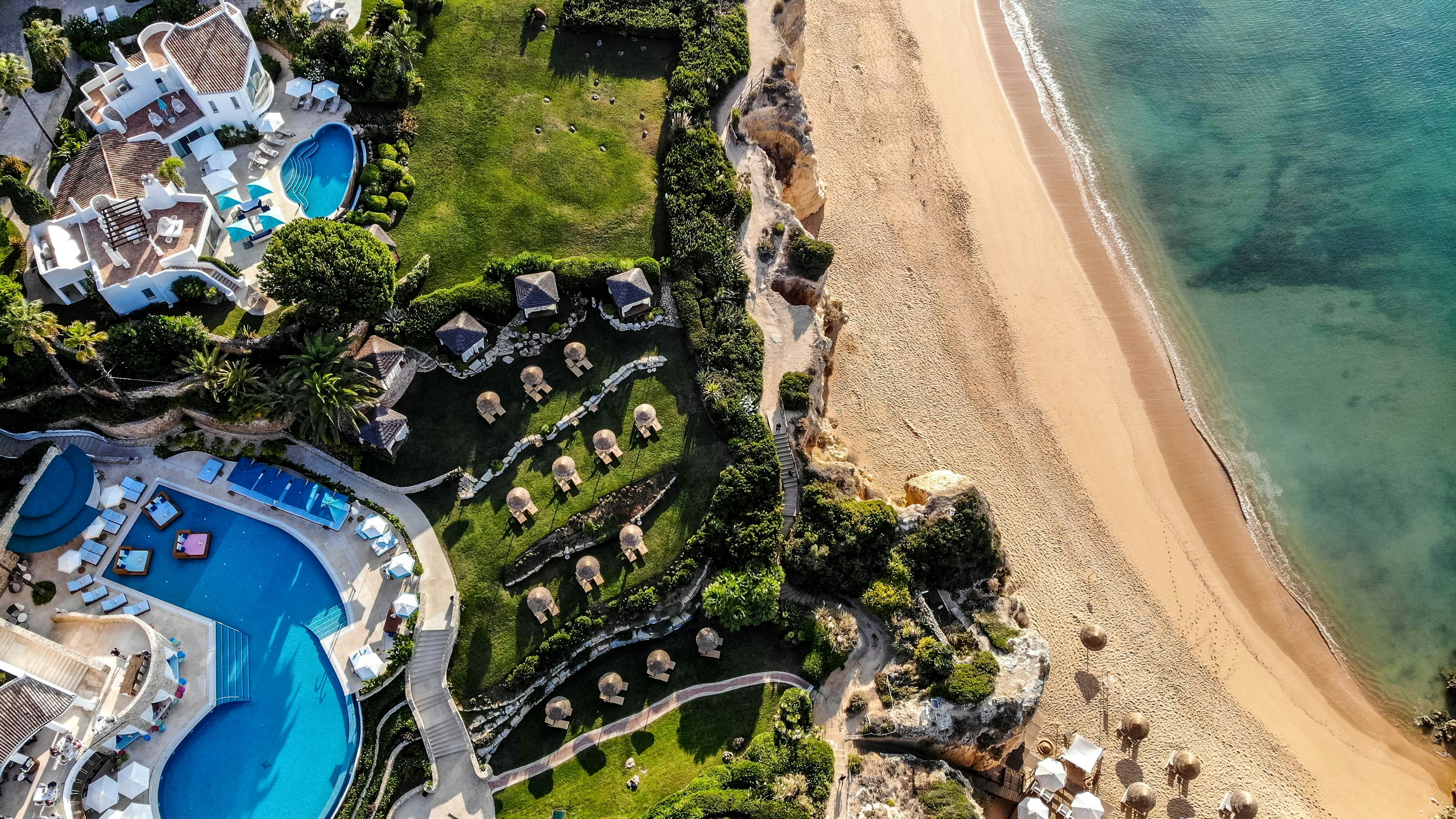
Algarve
Portugal’s southernmost region, the Algarve is renowned for its dramatic coastline, golden cliffs, hidden coves and beautiful sandy beaches. Its warmer climate and calmer waters make it one of Portugal’s most inviting coastal destinations.
Beyond its world-class resorts, the Algarve reveals historic towns, traditional fishing villages, protected natural landscapes and an excellent food scene shaped by the sea. From secluded beaches to charming whitewashed villages, it combines coastal luxury with authentic Portuguese character.
Madeira
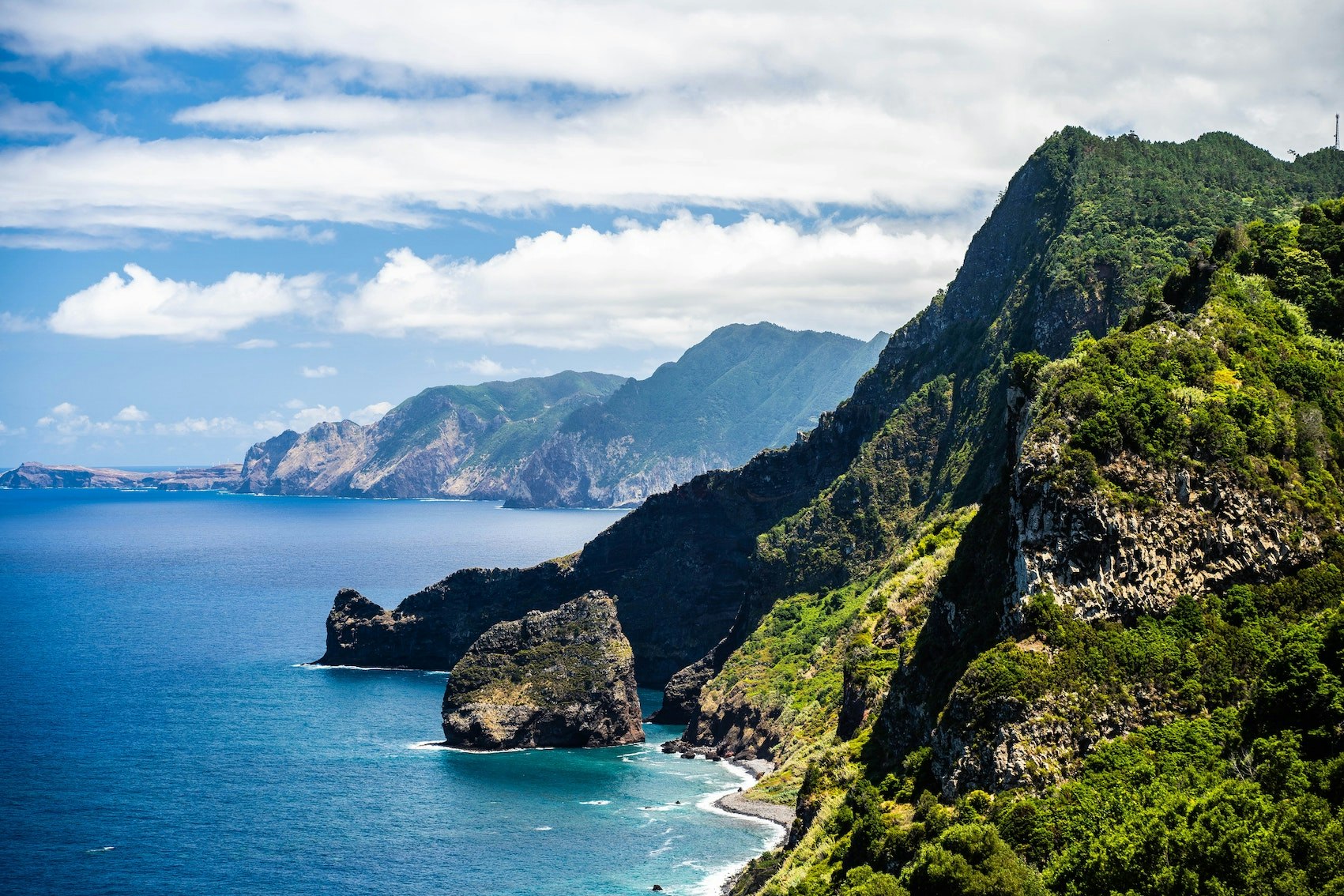
Rising from the Atlantic Ocean, Madeira is a spectacular Portuguese island known for its subtropical climate, dramatic volcanic landscapes and lush, year-round vegetation. Towering mountains, waterfalls, ancient forests and the island’s famous levada walking trails make it an exceptional destination for nature and adventure.
Beyond its scenery, Madeira has a strong cultural identity shaped by centuries-old traditions, local gastronomy and winemaking. From the vibrant capital of Funchal to remote mountain villages and rugged coastline, the island offers a captivating blend of nature, culture and authentic island life.
Lisbon
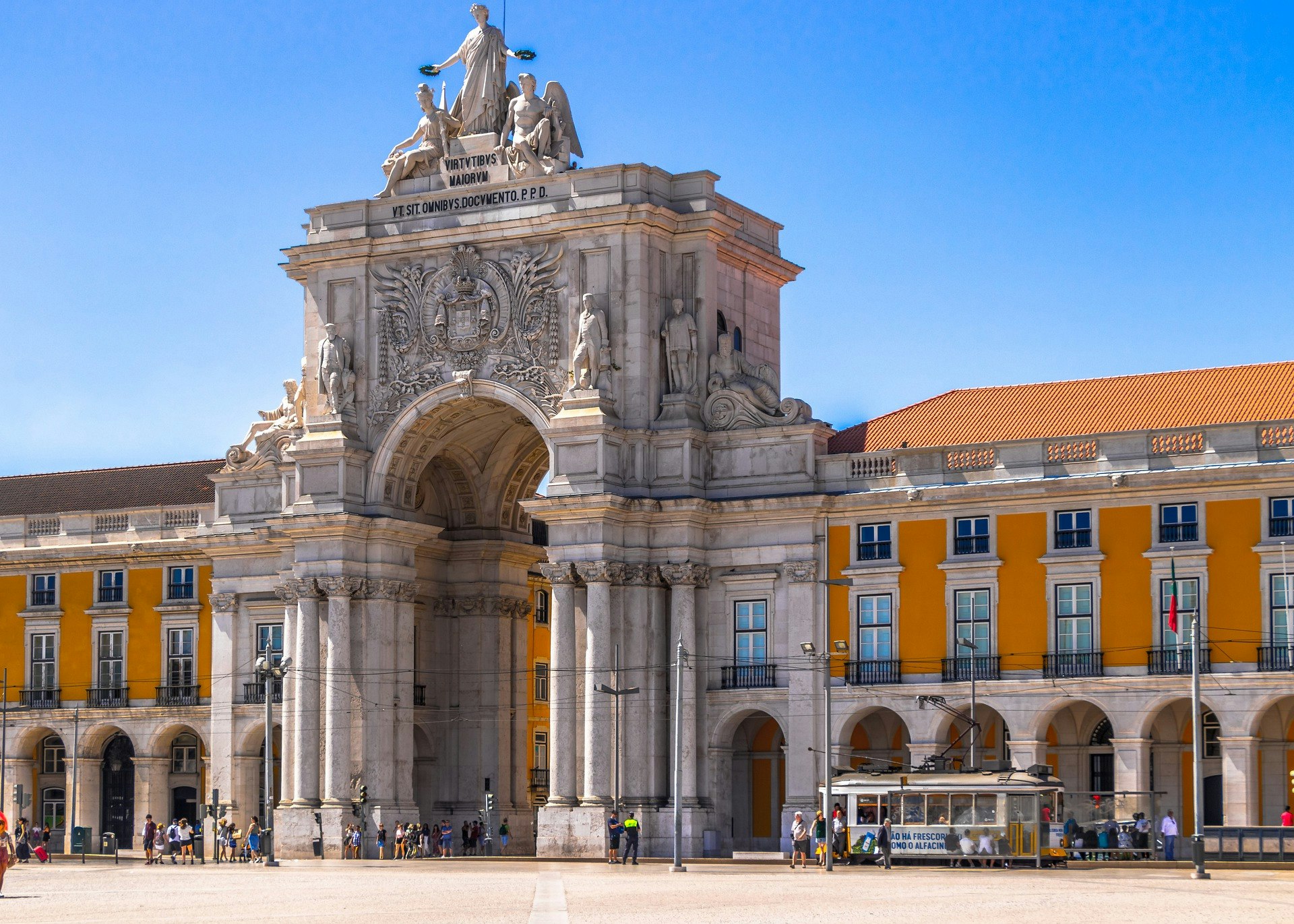
Known as the City of Light, Lisbon is Portugal’s captivating capital, spread across seven hills overlooking the Tagus River. Centuries of history have shaped its distinctive architecture, where Moorish influences, Manueline, Gothic and Neoclassical styles sit alongside colourful tiled façades and grand riverside squares.
Explore the winding streets of Alfama, historic Belém and elegant central neighbourhoods, discovering traditional cafés, artisan shops, viewpoints and vibrant food culture along the way. Lisbon effortlessly combines Portuguese heritage, gastronomy and contemporary city life.
Azores
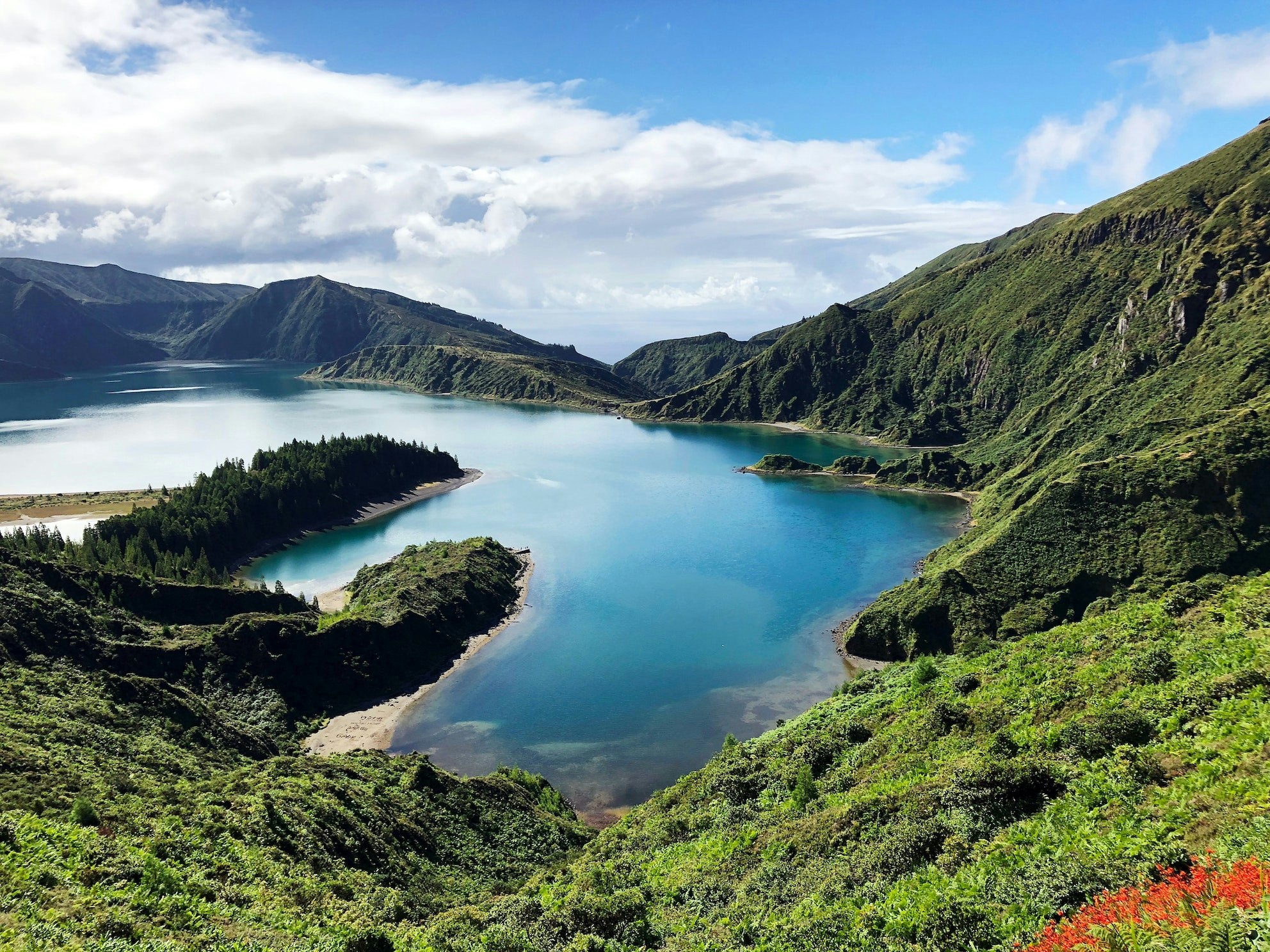
Set in the middle of the Atlantic Ocean, the Azores are an extraordinary Portuguese archipelago of nine volcanic islands, celebrated for their wild landscapes and unspoilt natural beauty. Volcanic lakes, dramatic calderas, waterfalls, thermal springs and hydrangea-lined roads create a destination where nature takes centre stage.
The surrounding Atlantic waters are also one of the world’s leading destinations for whale and dolphin watching, with more than 20 cetacean species recorded around the islands. From hiking and geothermal experiences to local food and remote villages, the Azores reveal a wilder, more adventurous side of Portugal.